
Products
A vacuum emulsifying machine is a specialized piece of industrial equipment designed to create stable, homogeneous emulsions by combining immiscible liquids (like oil and water) under vacuum conditions. Unlike conventional mixers, it integrates three critical processes: high-shear homogenization to reduce particle size to micron/submicron levels, vacuum deaeration to eliminate air bubbles, and precise temperature control to maintain product integrity. This results in formulations with superior texture, extended shelf life, and consistent quality—essential for industries such as cosmetics, pharmaceuticals, and food processing.
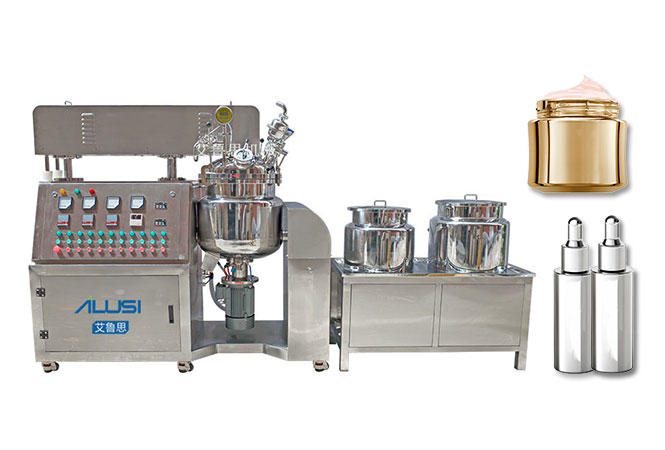
The main vessel is constructed from 316L stainless steel for corrosion resistance and sanitary compliance. Key design features include: rounded corners for easy cleaning, double-jacket insulation for temperature stability, and CIP (Clean-in-Place) systems for automated sanitation. Sanitary gaskets and quick-release clamps ensure airtight sealing, maintaining vacuum pressure during processing.
There are two primary homogenizer types used in vacuum emulsifying machines:
Vacuum emulsifying machines are indispensable for creating high-end cosmetic products like anti-aging creams, sunscreens, and serums. The vacuum process eliminates air bubbles, giving products a luxurious, non-greasy texture that resonates with consumers. A leading South Korean skincare brand reported a 35% increase in sales after switching to vacuum emulsifiers, citing improved product texture as a key factor.
In pharmaceuticals, these machines produce sterile ointments, creams, and injectable emulsions. The vacuum environment prevents contamination, ensuring compliance with strict regulatory standards (ISO 13485, cGMP). A biotech firm used a vacuum emulsifying machine to develop a novel cancer treatment emulsion, reducing particle size to 150nm for enhanced bioavailability.
Modern vacuum emulsifying machines feature IoT sensors and AI-driven controls for real-time process optimization. Predictive maintenance algorithms reduce downtime by 40%, while cloud-based monitoring allows remote process management. A European pharmaceutical company reported a 25% increase in production efficiency after implementing smart vacuum emulsifiers.
Manufacturers are developing energy-efficient models with variable frequency drives (VFDs) and heat recovery systems. These innovations reduce energy consumption by up to 35%, aligning with global sustainability goals. Biodegradable lubricants and water-based cleaning solutions further minimize environmental impact.
A leading US skincare brand replaced traditional mixers with vacuum emulsifying machines, resulting in:
A Japanese biotech firm used a vacuum emulsifying machine to produce a novel injectable emulsion for diabetes treatment. The precise particle size control (100-200nm) improved drug bioavailability by 50%, leading to faster regulatory approval and market launch.
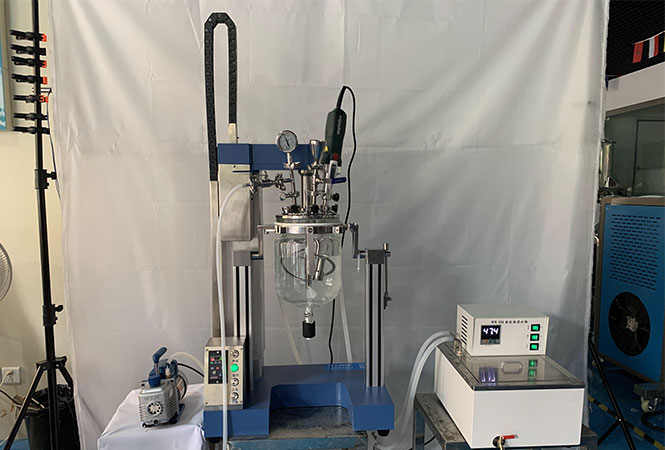
Choosing the right vacuum emulsifying machine is a strategic decision that impacts product quality, production efficiency, and profitability. By understanding the key components, applications, and maintenance requirements, businesses can select a machine that meets their specific needs and complies with industry standards. As technology advances, integrating smart features and sustainable practices will become increasingly important for staying competitive in a rapidly evolving market.
For businesses looking to upgrade their production capabilities, vacuum emulsifying machines offer a compelling return on investment, with most companies recouping costs within 12-18 months through improved product quality and reduced operational expenses.

Contact Us